Avoid rubbish removal mistakes in Hackney Central East London
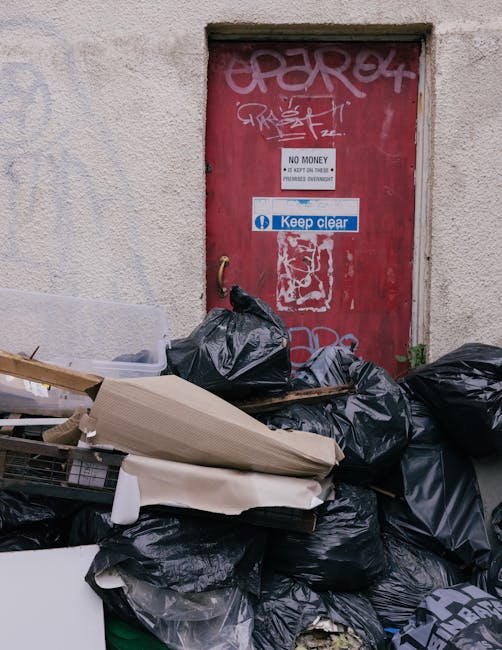
If you're trying to avoid rubbish removal mistakes in Hackney Central East London, you're probably dealing with the usual mix of tight streets, awkward parking, and the annoying question of what can legally go where. It sounds simple until you're staring at a pile of old furniture, a broken wardrobe, a few bin bags, and maybe a deadline that was yesterday. Truth be told, that's when people make costly little errors.
This guide is built to help you sidestep those mistakes before they become bigger problems. We'll cover how rubbish removal works locally, what to check before you book, the common traps people fall into, and the practical steps that keep everything smooth. If you're clearing a flat near Hackney Central station, emptying a shop unit, or just trying to get a garage back under control, you'll find something useful here.
And yes, a few things here are obvious once someone says them out loud. But that's the point. Rubbish removal is one of those jobs where the smallest oversight can snowball fast.
Table of Contents
- Why these mistakes matter in Hackney Central East London
- How rubbish removal works in practice
- Key benefits and practical advantages
- Who this is for and when it makes sense
- Step-by-step guidance
- Expert tips for better results
- Common mistakes to avoid
- Tools, resources and recommendations
- Law, compliance, standards, or best practice
- Options, methods, or comparison table
- Case study or real-world example
- Practical checklist
- Conclusion
- Frequently asked questions
Why Avoid rubbish removal mistakes in Hackney Central East London Matters
Hackney Central is busy, built-up, and always moving. That's great for convenience, not so great when you need to move bulky waste out of a flat, basement, office, or rear yard without causing hassle. One wrong move can mean extra charges, missed collections, blocked access, complaints from neighbours, or waste being left in the wrong place. Nobody wants that. Especially not on a wet Tuesday when the street already feels crowded.
The main reason mistakes matter here is that local rubbish removal is not just about lifting and shifting. It's about timing, access, load size, sorting, and making sure the waste ends up in the right place. A rushed decision can lead to more trips than expected, poor value, or avoidable risk if the waste includes heavy, sharp, or awkward items.
There's also the simple fact that some mistakes are expensive. Overfilled bags, unclear quotes, hidden add-ons, and poor scheduling tend to show up in the final bill. If you're managing a rental clear-out or a business move, those little extras can turn a tidy plan into a headache. And if you're already juggling work, tenants, builders, or family life, the last thing you need is avoidable chaos.
Bottom line: getting the basics right saves time, money, and stress, and it usually makes the whole job feel smaller than it looked at first.
How Avoid rubbish removal mistakes in Hackney Central East London Works
At a practical level, rubbish removal usually follows a simple pattern: you identify what needs to go, choose the right service, confirm access and volume, get a quote, and arrange collection. That is the clean version, anyway. In real life, there are often stairs, narrow entrances, mixed waste, and one item that turns out to be heavier than it looked in the photo.
Most good planning starts with a quick sort. Separate what's going, what's staying, and what may need special handling. Furniture, general household waste, garden waste, office furniture, and builders waste can all have different handling needs. For example, a few broken chairs and some old boxes are very different from a stripped-out bathroom or a post-renovation pile of rubble.
In Hackney Central, access matters a lot. Think about where the vehicle can stop, whether the property has steps, whether the item has to be carried through communal hallways, and whether there are parking restrictions. A service can be efficient, but only if the information you give is accurate. A photo can help, but so can a proper description. Don't guess if you don't need to.
It also helps to remember that rubbish removal is not only about disposal. Responsible waste handling includes sorting, loading, transport, and routing waste to the correct facility or transfer point. That's one reason many people prefer a full rubbish removal or waste collection service rather than trying to improvise with car trips and multiple council-run runs. Less faff, frankly.
Key Benefits and Practical Advantages
A well-planned rubbish clearance does more than make a space look tidy. It clears mental clutter too. You walk into the room and, suddenly, the room feels usable again. That might sound a bit dramatic, but anyone who has lived around stacked bags and broken furniture knows the feeling.
Here are the real advantages of doing it properly:
- Less time wasted: the right vehicle, right crew, and right estimate mean fewer delays.
- Cleaner pricing: accurate descriptions help reduce surprise add-ons.
- Safer handling: heavy or awkward items are moved with less risk of damage.
- Better local fit: services familiar with East London access constraints usually plan more effectively.
- Less disruption: fewer trips, shorter loading times, and less neighbour friction.
- Better organisation: you can clear a flat, office, or garden without the process spreading over days.
There's also a less obvious benefit: decision clarity. Once you know what to remove, how much there is, and how urgently it needs collecting, you can compare options properly. That helps you avoid choosing the wrong type of service for the job. And that, in our experience, is where people save most of the stress.
Who This Is For and When It Makes Sense
This topic matters to a lot of people, not just anyone dealing with a one-off spring clean. If you live in a flat, manage a rental, run a shop, oversee a small office, or have builders finishing work, you'll probably hit rubbish removal decisions sooner or later.
It makes sense to think carefully before booking if any of the following apply:
- You have bulky furniture or white goods to remove.
- You're clearing out after tenants, a move, or a refurbishment.
- You've got mixed waste and you're not sure what goes where.
- Parking or access around the property is awkward.
- You need the job done quickly and neatly.
- You want to avoid taking multiple car loads yourself.
It's also relevant if you're deciding between a general rubbish clearance and a more specific service. For example, sofa removal, garage clearance, or builders waste each come with their own little quirks. One-size-fits-all thinking can backfire. Not always, but enough to matter.
To be fair, if you only have a couple of small bags and a clear access point, you may not need anything elaborate. But once the job gets bigger, the planning needs to get better. That's just how it goes.
Step-by-Step Guidance
Here's a straightforward way to avoid the most common errors. Follow it in order, and you'll make the whole thing much easier on yourself.
- List everything that needs to go. Walk through the property and note furniture, bags, broken items, garden cuttings, cardboard, and any heavy waste. Be specific.
- Separate standard waste from specialist items. Some waste types need more careful handling, especially items with sharp edges, heavy contents, or mixed materials.
- Measure the awkward pieces. A large wardrobe or sofa can be a problem in narrow hallways. If it may need dismantling, say so early.
- Check access and parking. Think about stairs, lifts, gates, loading space, and whether there's enough room for the vehicle. Hackney streets can be a bit of a squeeze.
- Ask for a quote based on real detail. Photos help, but so does an honest description. If you're not sure, say that too.
- Clarify what is included. Confirm labour, loading, disposal, and any possible extra charges before the booking is fixed.
- Prepare the items before collection day. Move smaller items together, clear a path, and make access as simple as possible.
- Be present if needed. If the crew needs to confirm what's going or access a locked area, being available saves time.
A quick real-world example: if you're clearing a first-floor flat near Hackney Central and there's a sofa, two mattresses, and mixed bagged waste, the job will go much smoother if you mention the stairs, hallway width, and any parking issues before the team arrives. If you don't, everyone ends up improvising. That's rarely a good sign.
Expert Tips for Better Results
Here's where a little experience goes a long way. The people who get the best results usually do the simple things well, not the flashy things.
1. Use clear photos, but don't rely on them alone. Photos are useful, especially for bulky items, yet they can hide weight, access issues, and hidden waste behind the main pile.
2. Group similar waste together. It makes it easier to assess the load and can help avoid confusion on arrival. One bag of mixed household waste is clearer than several scattered piles.
3. Ask what happens if the job changes slightly. Maybe there's an extra cabinet in the corner or a broken desk in the shed. Better to know how that affects the quote than to be surprised later.
4. Think about timing around neighbours and parking. Early morning can be sensible in some cases, but not always. You know the building. You know the noise. Use common sense.
5. Choose the right scale of service. If you're clearing a single item, a full house clearance may be overkill. If you're clearing multiple rooms, a small-load option may become inefficient fast. Match the service to the job.
6. Keep fragile or personal items separate. It sounds obvious, yet it's exactly the sort of thing people forget in a rush. Important papers, keys, and keepsakes have a habit of hiding in old drawers.
And a small one, but it matters: don't leave everything until the last ten minutes. That's how decent plans become rushed plans, and rushed plans are where mistakes breed.
Common Mistakes to Avoid
If you want to avoid rubbish removal mistakes in Hackney Central East London, these are the big ones to watch for. Some are practical, some are financial, and some are just plain annoying.
- Not checking access in advance. A van cannot magically widen a narrow alley. Sadly.
- Giving vague descriptions. "A bit of rubbish" does not help anyone estimate load size.
- Forgetting about stairs, lifts, or distance from the vehicle. Time and labour increase quickly if the collection point is far away.
- Mixing everything together. Mixed waste can be fine, but only if you've identified what's in it and whether anything needs special attention.
- Assuming every quote includes the same things. One provider may include loading, another may price differently. Read the details.
- Leaving fragile or valuable items in the pile. It happens more than people admit.
- Ignoring parking realities. In a dense area, the collection vehicle may need a sensible stopping point.
- Choosing purely on the cheapest headline price. The cheapest option can become expensive if it's incomplete or poorly scoped.
- Not preparing the space. Clear a path. Move pets. Keep hallways free. Small effort, big difference.
One more subtle mistake: not checking whether a service is suitable for the type of waste you have. Builders waste, for example, is not the same as general household clutter, and garden clearance has its own issues too. If your load is mixed, say so. Nobody enjoys uncovering surprises halfway through the lift.
Tools, Resources and Recommendations
You do not need fancy equipment to organise rubbish removal well. A short checklist, a tape measure, a phone camera, and a bit of time are often enough. Still, a few simple tools can make the process smoother.
- Phone camera: take wide shots and close-ups so the full load is visible.
- Measuring tape: useful for sofas, wardrobes, sheds, or tight stairwells.
- Notepad or notes app: list item counts, access notes, and any special concerns.
- Marker labels or tape: helpful if you're separating keep, donate, and remove piles.
- Gloves and sturdy shoes: useful if you're shifting items before collection day.
If you're comparing service types, it also helps to understand the difference between rubbish collection, rubbish removal, waste disposal, and broader waste clearance. In everyday language they overlap quite a lot, but the practical detail matters. Some jobs are better handled as a one-off uplift, while others suit a fuller clearance approach. A builder's skip replacement is a different animal entirely from a flat clearance.
If you're exploring related options on the same site, the wider rubbish removal service, rubbish collection, and waste clearance pages can help you think through the right fit for your job. For bigger domestic jobs, a house clearance or home clearance may be more appropriate than a simple uplift.
Law, Compliance, Standards, or Best Practice
When rubbish is being removed, the safest approach is to treat compliance seriously even if the job looks routine. In the UK, waste has to be handled responsibly, and the person producing the waste should think carefully about who collects it and how it is managed. That does not mean every domestic job becomes complicated, but it does mean you should be cautious about who you hand waste to.
Best practice usually includes:
- Using a provider that can explain how waste is handled.
- Keeping a record of what was removed if you need one for tenancy, business, or property management reasons.
- Separating obvious special items where possible.
- Avoiding fly-tipping risks by never leaving waste with someone who cannot clearly handle it properly.
For business customers, the expectations are usually even higher. Office clear-outs, shop refurbishments, and commercial waste often need more careful planning because there may be confidential materials, branded items, or a trail of duties around storage and disposal. If you're handling a business unit, it's worth being extra methodical. No drama, just good housekeeping.
For household customers, the main point is simpler: do not assume everything can go in one pile and be sorted out later without thought. A little judgement now avoids regret later. That's especially true if the load contains items that are hard to move, dusty, damp, or potentially hazardous.
Options, Methods, or Comparison Table
If you're deciding how to tackle a clear-out, the right method depends on scale, access, urgency, and waste type. The table below gives a straightforward comparison.
| Method | Best for | Strengths | Watch-outs |
|---|---|---|---|
| Self-clearance | Very small loads | Low direct cost if you already have transport | Time-consuming, labour-heavy, parking and disposal hassle |
| Scheduled collection | Predictable waste with flexible timing | Good planning, usually less rushed | May not suit urgent jobs |
| Same-day rubbish removal | Urgent clear-outs | Fast turnaround, practical in emergencies | Can cost more if the job is poorly described |
| Full clearance service | Homes, offices, and larger loads | Efficient for bulky or mixed waste | Needs good access and clear instructions |
| Specialist item removal | Large furniture, sofas, mattresses, awkward items | Better handling for specific pieces | Not ideal for mixed, varied waste piles |
If your rubbish pile looks simple, pause for a moment and ask: is it really simple, or just simple-looking? That question saves a lot of people from booking the wrong thing. And yes, the wrong thing usually announces itself later.
For furniture-heavy jobs, services such as furniture disposal and sofa removal can be a better fit than a general uplift. If the job is about a specific room or outbuilding, garage clearance or garden clearance may make more sense.
Case Study or Real-World Example
Here's a realistic example from the kind of job people in Hackney Central often face. A tenant moved out of a compact flat after a long stay, leaving a sofa, a small dining table, a few broken shelves, mixed bags, and a couple of items tucked into the hallway cupboard. Nothing outrageous. Just enough to be irritating.
The first instinct was to book the collection based on a quick photo of the living room. That would have missed two things: the stair access and the extra waste in the cupboard. Instead, the property manager took a few additional pictures, measured the sofa, and noted that parking was limited at the front. That small bit of extra detail changed everything. The load estimate was more accurate, the team knew what to expect, and the collection was done in one visit rather than turning into a longer, messier job.
The lesson is simple. Most bad rubbish removal experiences do not start with a dramatic failure. They start with one missing detail. One. The sofa was bigger than expected. The lift was out. The gate was locked. The bins were fuller than planned. Small things, but they stack up.
That's why careful prep is not being fussy. It's being practical.
Practical Checklist
Use this quick checklist before collection day. It keeps the job tidy and reduces those annoying little surprises.
- Have I listed every item to be removed?
- Have I checked for bulky, heavy, or awkward pieces?
- Have I separated keep, donate, and remove items?
- Have I taken clear photos from more than one angle?
- Have I noted stairs, lifts, narrow doors, or long carries?
- Have I considered parking and vehicle access?
- Have I confirmed what the quote includes?
- Have I asked about any extra charges that could apply?
- Have I cleared a path for safe loading?
- Have I put aside anything valuable, fragile, or personal?
- Have I checked whether any waste type needs special handling?
- Have I chosen the right size of service for the job?
If you can tick most of these off, you're already ahead of the game. Honestly, that's half the battle.
Conclusion
To avoid rubbish removal mistakes in Hackney Central East London, the key is simple: plan a little more than you think you need to, describe the job clearly, and match the service to the actual waste in front of you. That one habit prevents most of the common headaches, from surprise costs to access problems and awkward delays.
Whether you're clearing a flat, a shop, a garden, or a stack of mixed household clutter, a calm and detailed approach will nearly always give you a better result. You do not need to overcomplicate it. Just be clear, be honest about the load, and think through access before the day arrives. It's not glamorous work. But done properly, it's satisfyingly simple.
If you're ready to clear space without the usual stress, take the next step with confidence and keep the process straightforward from the start.
Get a free quote today and see how much you can save.
Frequently Asked Questions
What is the most common rubbish removal mistake in Hackney Central?
The most common mistake is underestimating access and load size. People often forget about stairs, parking, or how bulky items behave in a narrow hallway, which can lead to delays or extra costs.
How do I know which rubbish removal service I need?
Start with the waste type and volume. A few general bags may only need a small collection, while bulky furniture, mixed household waste, or renovation debris may suit a fuller clearance or a specialist service.
Is it better to sort waste before booking a collection?
Yes, it usually is. Sorting helps you explain the job accurately, estimate space more reliably, and avoid confusion on the day. Even a rough separation of bulky items, bags, and special waste helps a lot.
Do I need to measure furniture before removal?
If the item is large, awkward, or needs to pass through tight access points, measuring is a smart move. A sofa, wardrobe, or desk can be easy to remove in theory and a pain in practice if it does not fit cleanly.
Can I mix household rubbish with furniture and garden waste?
Sometimes mixed loads are fine, but you should describe everything clearly before booking. Mixed waste can affect the quote, the vehicle size, and whether any part of the load needs special handling.
Why do rubbish removal prices vary so much?
Prices often change because of load size, labour time, access difficulty, item type, and disposal requirements. Two jobs that look similar at first glance can be very different once the details are known.
What should I check before accepting a quote?
Check what is included, whether loading is covered, whether there are possible extras, and whether the quote assumes easy access. A clear quote is always better than a vague one, even if it takes a minute longer to read.
Is same-day rubbish removal worth it?
It can be, especially if you need a quick turnaround or are trying to clear a space urgently. Just make sure the job description is accurate, because urgent bookings leave less room for corrections later.
What happens if there are more items than I expected?
That depends on the service and quote structure. In many cases, extra items can still be handled, but the price or timing may change. It's always better to mention possible extras before the crew arrives.
How can I avoid hidden rubbish removal charges?
Be specific from the start. Share photos, describe access clearly, ask what is included, and confirm whether stairs, long carries, or extra loading time would affect the price. Small details save money.
Is it safe to leave rubbish outside before collection?
Usually, it is better not to leave waste out early unless you've arranged it carefully and know it will not obstruct others or create issues. In busy parts of East London, timing and placement matter quite a lot.
What's the best way to prepare for rubbish removal day?
Clear a path, separate items, protect anything you want to keep, and make sure access is ready. If you can, be available to answer questions. That simple prep makes the whole job smoother.
Should I choose the cheapest rubbish removal quote?
Not automatically. The cheapest headline price can be poor value if it excludes important parts of the job or leads to surprise add-ons. Compare what is actually included, not just the number on the screen.
Can rubbish removal help with a full flat clear-out?
Yes, absolutely. A full flat clearance is often the best choice when there is bulky furniture, mixed waste, or a lot of leftover items. It is usually far less stressful than trying to handle it piecemeal.
If you want the job done properly, keep the plan simple, the details honest, and the expectations realistic. That's the real trick. And it works far better than winging it.