Managing Business Waste in East London: Sustainable Solutions for Your Enterprise
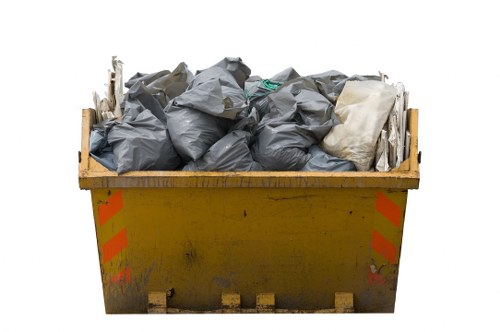
A large yellow industrial skip with orange reflective stripes positioned on a paved surface, filled with tightly packed black and white rubbish bags made of plastic and paper, some appearing crumpled and stacked unevenly. The skip shows signs of dirt and rust stains on its exterior, indicative of frequent use for waste disposal related to rubbish removal services in East London. The surrounding area is minimal and out of view, emphasizing the focus on the skip, which is used for clearing waste from commercial or domestic premises in the vicinity. The image captures the utilitarian nature of waste collection equipment, consistent with services provided by Home Clearance East London, supporting sustainable waste management practices across the local area including postcode areas in East London.

East London is a bustling hub of commercial activity, with numerous businesses contributing to its vibrant economy. However, this economic dynamism also brings about significant challenges, particularly in the management of business waste. Effective waste management is not only crucial for environmental sustainability but also for maintaining compliance with local regulations and enhancing the reputation of your business.

Business waste encompasses a wide range of materials, including paper, plastics, electronics, and organic waste. Proper disposal and recycling of these materials can lead to substantial cost savings, reduce the environmental footprint, and promote a culture of sustainability within your organization.

In this article, we will explore the various aspects of business waste management in East London, offering insights and strategies to help your business efficiently handle its waste while contributing positively to the community and environment.

Understanding Business Waste in East London
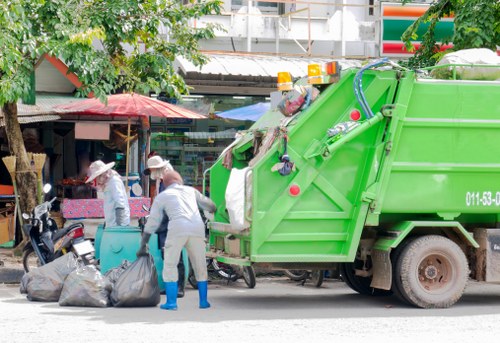
A bright green waste collection truck parked on a street in East London, with the rear compartment open and showing a large opening for waste disposal. Two workers dressed in light grey uniforms, wearing gloves and hats, are actively loading and handling black trash bags filled with rubbish. One worker is bent over, placing a bag into the truck's compartment, while the other stands nearby. Several more trash bags are on the pavement beside the workers, ready for collection. The background reveals a commercial or residential area with a shopfront partly visible, a tree shading part of the scene, and some urban retail signage. The environment appears clean and orderly, indicating a scheduled rubbish collection service provided by Home Clearance East London, focusing on local waste management solutions in the East London area, possibly near the postcode region of E, offering professional rubbish removal in a busy urban setting.

Business waste in East London can be categorized into several types, each requiring specific management approaches. These categories include:

  • General Waste: Non-recyclable materials such as food scraps, contaminated paper, and certain plastics.
  • Recyclable Waste: Materials that can be reprocessed and reused, including paper, cardboard, glass, metals, and certain plastics.
  • Hazardous Waste: Substances that pose significant health or environmental risks, such as chemicals, batteries, and electronics.
  • Organic Waste: Biodegradable materials like food waste and garden refuse, which can be composted.

Proper categorization of waste is the first step towards effective management. Understanding the types and volumes of waste your business produces allows for the implementation of targeted strategies that maximize recycling and minimize landfill contributions.

Compliance with local waste management regulations is essential. East London has specific guidelines and requirements that businesses must adhere to, ensuring that waste is disposed of responsibly and sustainably.

Importance of Effective Waste Management
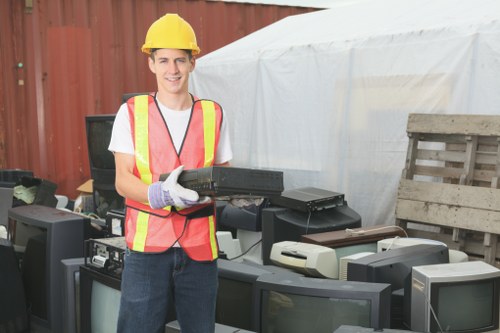
A young man wearing a yellow safety helmet, a high-visibility vest with yellow and pink reflective stripes, and purple gloves is standing outdoors next to a collection of discarded electronic equipment, including several old television sets and monitors. The electronic waste is arranged on a paved surface adjacent to a brown wooden fence and a white tent or canopy. The man is smiling and holding a black device, possibly part of the electronic waste, with both hands. This scene depicts a waste disposal or recycling activity, typical of rubbish removal services in East London, where electronic waste is being sorted or prepared for collection. The background includes additional waste items and environmental elements consistent with a waste management site or clearance operation. The image emphasizes responsible disposal of electronic items, aligning with sustainable waste solutions for local businesses and communities as offered by Home Clearance East London.

Effective waste management offers numerous benefits for businesses in East London:

  1. Cost Savings: Reducing waste disposal costs through recycling and efficient waste handling.
  2. Environmental Impact: Minimizing your business's carbon footprint and promoting sustainability.
  3. Regulatory Compliance: Avoiding fines and legal issues by adhering to local waste management laws.
  4. Corporate Image: Enhancing your business's reputation by demonstrating a commitment to environmental responsibility.

Moreover, effective waste management can lead to increased operational efficiency and employee satisfaction, as it fosters a cleaner and more organized workplace.

Implementing sustainable waste practices is not just a regulatory requirement but also a strategic business decision that can drive long-term success.

Regulations and Compliance

A drawer filled with an assortment of laundry and clothing, including a bright yellow garment, a pink piece of fabric, a beige item, a blue fabric, and gray and black clothing, all appearing wrinkled and loosely piled. The drawer is part of a white storage unit, with some clothing spilling over into the surrounding environment. The background shows the interior of a domestic setting, likely a bedroom or laundry area, with the focus on the accumulation of textiles that might require collection or disposal as part of rubbish removal services offered by Home Clearance East London, serving the East London area.

Businesses in East London must navigate a complex landscape of waste management regulations. Key legislative frameworks include:

  • The Waste Regulations 2011: Governs the storage, transport, and disposal of waste to ensure environmental protection.
  • The Environmental Protection Act 1990: Establishes the legal framework for waste management, including the duty of care for businesses.
  • The Waste Electrical and Electronic Equipment (WEEE) Regulations: Requires businesses to responsibly dispose of electronic waste.

Non-compliance with these regulations can result in hefty fines and damage to your business's reputation. Therefore, staying informed and adhering to these laws is paramount.

Partnering with professional waste management services can help ensure that your business remains compliant while optimizing waste handling processes.

Waste Reduction Strategies
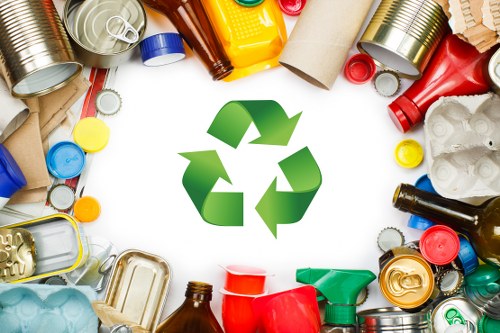
A collection of various discarded waste items scattered across a plain white background, predominantly consisting of aluminium cans, plastic bottles, and cardboard tubes. The aluminium cans are in multiple colors including silver, red, and gold, with some crushed and others upright. Several plastic bottles in yellow, green, and brown are visible, with some caps still attached, and showing different textures such as smooth and crinkled surfaces. Cardboard tubes and pieces of paper are also present, adding a mix of textures and brown tones. In the center of the image is a large, green recycling symbol composed of three arrows forming a triangle, emphasizing the environmentally friendly focus of waste management and recycling efforts often associated with rubbish removal services in East London. The scattered arrangement highlights the variety of recyclable materials collected for proper disposal or recycling by companies like Home Clearance East London, fitting the context of sustainable waste solutions for local businesses in the area around postcode E1, East London.

Implementing effective waste reduction strategies can significantly decrease the volume of waste your business generates. Key strategies include:

  • Source Reduction: Minimizing waste at its origin by optimizing processes and reducing material usage.
  • Recycling Programs: Establishing comprehensive recycling initiatives to repurpose waste materials.
  • Composting: Utilizing organic waste for composting to reduce landfill contributions.
  • Employee Training: Educating staff on waste management best practices to foster a culture of sustainability.

Adopting these strategies not only benefits the environment but also enhances operational efficiency and can lead to cost savings.

Continuous evaluation and improvement of waste reduction practices are essential to maintain their effectiveness and adapt to changing circumstances.

Choosing the Right Waste Management Partner

A large yellow industrial skip with orange reflective stripes positioned on a paved surface, filled with tightly packed black and white rubbish bags made of plastic and paper, some appearing crumpled and stacked unevenly. The skip shows signs of dirt and rust stains on its exterior, indicative of frequent use for waste disposal related to rubbish removal services in East London. The surrounding area is minimal and out of view, emphasizing the focus on the skip, which is used for clearing waste from commercial or domestic premises in the vicinity. The image captures the utilitarian nature of waste collection equipment, consistent with services provided by Home Clearance East London, supporting sustainable waste management practices across the local area including postcode areas in East London.

Selecting a reliable waste management partner is critical for effective business waste handling in East London. Consider the following factors when making your choice:

  1. Experience and Expertise: Look for companies with a proven track record in handling various types of business waste.
  2. Comprehensive Services: Ensure the provider offers a range of services, including collection, recycling, and disposal.
  3. Compliance Assurance: The provider should guarantee adherence to all relevant waste management regulations.
  4. Customer Support: Responsive and knowledgeable customer service is essential for addressing any issues promptly.
  5. Cost-Effectiveness: Evaluate the pricing structure to ensure it aligns with your budget while providing value.

Partnering with the right waste management company can streamline your waste handling processes, ensuring efficiency and compliance.

Take the time to research and compare different providers to find the best fit for your business needs.

Innovative Waste Management Solutions

A bright green waste collection truck parked on a street in East London, with the rear compartment open and showing a large opening for waste disposal. Two workers dressed in light grey uniforms, wearing gloves and hats, are actively loading and handling black trash bags filled with rubbish. One worker is bent over, placing a bag into the truck's compartment, while the other stands nearby. Several more trash bags are on the pavement beside the workers, ready for collection. The background reveals a commercial or residential area with a shopfront partly visible, a tree shading part of the scene, and some urban retail signage. The environment appears clean and orderly, indicating a scheduled rubbish collection service provided by Home Clearance East London, focusing on local waste management solutions in the East London area, possibly near the postcode region of E, offering professional rubbish removal in a busy urban setting.

Advancements in waste management technology offer innovative solutions for businesses in East London:

  • Automation and Smart Bins: Utilize technology to monitor waste levels and optimize collection schedules.
  • Waste-to-Energy: Convert waste materials into renewable energy sources, reducing reliance on traditional energy.
  • Recycling Technologies: Implement advanced sorting and processing technologies to enhance recycling efficiency.
  • Data Analytics: Leverage data to analyze waste patterns and identify areas for improvement.

Embracing these technologies can lead to more efficient waste management practices, cost savings, and a reduced environmental impact.

Investing in innovative solutions demonstrates your business's commitment to sustainability and operational excellence.

Case Studies: Success Stories in East London

A young man wearing a yellow safety helmet, a high-visibility vest with yellow and pink reflective stripes, and purple gloves is standing outdoors next to a collection of discarded electronic equipment, including several old television sets and monitors. The electronic waste is arranged on a paved surface adjacent to a brown wooden fence and a white tent or canopy. The man is smiling and holding a black device, possibly part of the electronic waste, with both hands. This scene depicts a waste disposal or recycling activity, typical of rubbish removal services in East London, where electronic waste is being sorted or prepared for collection. The background includes additional waste items and environmental elements consistent with a waste management site or clearance operation. The image emphasizes responsible disposal of electronic items, aligning with sustainable waste solutions for local businesses and communities as offered by Home Clearance East London.

Several businesses in East London have successfully implemented effective waste management strategies:

  • Company A: By adopting a comprehensive recycling program, they reduced their waste disposal costs by 30%.
  • Company B: Implemented waste-to-energy technology, significantly lowering their carbon footprint.
  • Company C: Introduced employee training programs, resulting in a 25% decrease in paper waste.

These success stories highlight the tangible benefits of proactive waste management.

They serve as examples for other businesses striving to enhance their sustainability efforts and operational efficiency.

Future Trends in Business Waste Management

A drawer filled with an assortment of laundry and clothing, including a bright yellow garment, a pink piece of fabric, a beige item, a blue fabric, and gray and black clothing, all appearing wrinkled and loosely piled. The drawer is part of a white storage unit, with some clothing spilling over into the surrounding environment. The background shows the interior of a domestic setting, likely a bedroom or laundry area, with the focus on the accumulation of textiles that might require collection or disposal as part of rubbish removal services offered by Home Clearance East London, serving the East London area.

The landscape of business waste management is continually evolving. Emerging trends include:

  1. Circular Economy: Emphasizing the reuse and recycling of materials to create a closed-loop system.
  2. Zero Waste Initiatives: Striving for no landfill contributions by maximizing resource recovery.
  3. Digital Waste Tracking: Utilizing digital tools to monitor and manage waste streams more effectively.
  4. Sustainable Packaging: Reducing packaging waste through the use of eco-friendly materials and designs.

Staying abreast of these trends can help your business adapt and thrive in the evolving waste management landscape.

Proactive adoption of sustainable practices ensures long-term viability and environmental stewardship.

The Role of Legislation and Policy

A collection of various discarded waste items scattered across a plain white background, predominantly consisting of aluminium cans, plastic bottles, and cardboard tubes. The aluminium cans are in multiple colors including silver, red, and gold, with some crushed and others upright. Several plastic bottles in yellow, green, and brown are visible, with some caps still attached, and showing different textures such as smooth and crinkled surfaces. Cardboard tubes and pieces of paper are also present, adding a mix of textures and brown tones. In the center of the image is a large, green recycling symbol composed of three arrows forming a triangle, emphasizing the environmentally friendly focus of waste management and recycling efforts often associated with rubbish removal services in East London. The scattered arrangement highlights the variety of recyclable materials collected for proper disposal or recycling by companies like Home Clearance East London, fitting the context of sustainable waste solutions for local businesses in the area around postcode E1, East London.

Government policies and legislation play a pivotal role in shaping business waste management practices. Key areas include:

  • Extended Producer Responsibility (EPR): Policies requiring manufacturers to manage the end-of-life of their products.
  • Plastic Bans and Restrictions: Regulations limiting the use of single-use plastics and promoting alternatives.
  • Incentives for Recycling: Financial incentives and support for businesses that implement recycling programs.
  • Waste Reduction Targets: Setting specific goals for waste minimization and resource efficiency.

Compliance with these policies ensures that your business remains aligned with broader environmental goals and societal expectations.

Engaging with policymakers and industry groups can also provide insights into upcoming regulations and opportunities for collaboration.

Implementing a Waste Management Plan

A large yellow industrial skip with orange reflective stripes positioned on a paved surface, filled with tightly packed black and white rubbish bags made of plastic and paper, some appearing crumpled and stacked unevenly. The skip shows signs of dirt and rust stains on its exterior, indicative of frequent use for waste disposal related to rubbish removal services in East London. The surrounding area is minimal and out of view, emphasizing the focus on the skip, which is used for clearing waste from commercial or domestic premises in the vicinity. The image captures the utilitarian nature of waste collection equipment, consistent with services provided by Home Clearance East London, supporting sustainable waste management practices across the local area including postcode areas in East London.

Developing and implementing a comprehensive waste management plan is essential for businesses in East London. Key steps include:

  1. Waste Audit: Conduct a thorough assessment of your current waste generation and disposal practices.
  2. Set Goals: Establish clear and achievable waste reduction and recycling targets.
  3. Develop Strategies: Identify and implement strategies to achieve your waste management goals.
  4. Monitor and Review: Continuously track your progress and make adjustments as needed.

A well-structured waste management plan provides a roadmap for reducing waste, improving efficiency, and enhancing sustainability.

Engage stakeholders at all levels of your organization to ensure the plan's success and sustainability.

Employee Engagement and Training

A bright green waste collection truck parked on a street in East London, with the rear compartment open and showing a large opening for waste disposal. Two workers dressed in light grey uniforms, wearing gloves and hats, are actively loading and handling black trash bags filled with rubbish. One worker is bent over, placing a bag into the truck's compartment, while the other stands nearby. Several more trash bags are on the pavement beside the workers, ready for collection. The background reveals a commercial or residential area with a shopfront partly visible, a tree shading part of the scene, and some urban retail signage. The environment appears clean and orderly, indicating a scheduled rubbish collection service provided by Home Clearance East London, focusing on local waste management solutions in the East London area, possibly near the postcode region of E, offering professional rubbish removal in a busy urban setting.

Employees play a crucial role in the effectiveness of your waste management efforts. Key approaches to foster engagement include:

  • Training Programs: Educate employees on waste segregation, recycling practices, and the importance of waste reduction.
  • Incentive Schemes: Implement rewards for employees who actively participate in waste management initiatives.
  • Feedback Mechanisms: Encourage employees to provide suggestions and feedback on waste management practices.
  • Awareness Campaigns: Promote awareness through posters, newsletters, and workshops.

Building a culture of sustainability within your organization enhances the effectiveness of waste management strategies.

Committed and informed employees can drive significant improvements in waste handling and reduction.

Measuring Success and Continuous Improvement

A young man wearing a yellow safety helmet, a high-visibility vest with yellow and pink reflective stripes, and purple gloves is standing outdoors next to a collection of discarded electronic equipment, including several old television sets and monitors. The electronic waste is arranged on a paved surface adjacent to a brown wooden fence and a white tent or canopy. The man is smiling and holding a black device, possibly part of the electronic waste, with both hands. This scene depicts a waste disposal or recycling activity, typical of rubbish removal services in East London, where electronic waste is being sorted or prepared for collection. The background includes additional waste items and environmental elements consistent with a waste management site or clearance operation. The image emphasizes responsible disposal of electronic items, aligning with sustainable waste solutions for local businesses and communities as offered by Home Clearance East London.

Measuring the success of your waste management initiatives is essential for continuous improvement. Key metrics to track include:

  • Waste Generation: The total amount of waste produced by your business.
  • Recycling Rates: The percentage of waste that is successfully recycled.
  • Cost Savings: Financial savings achieved through waste reduction and recycling.
  • Environmental Impact: Measures such as carbon footprint reduction and resource conservation.

Regularly reviewing these metrics allows your business to identify areas of success and opportunities for further improvement.

Implementing a cycle of continuous improvement ensures that your waste management practices remain effective and aligned with your business goals.

Conclusion: Building a Sustainable Future

A drawer filled with an assortment of laundry and clothing, including a bright yellow garment, a pink piece of fabric, a beige item, a blue fabric, and gray and black clothing, all appearing wrinkled and loosely piled. The drawer is part of a white storage unit, with some clothing spilling over into the surrounding environment. The background shows the interior of a domestic setting, likely a bedroom or laundry area, with the focus on the accumulation of textiles that might require collection or disposal as part of rubbish removal services offered by Home Clearance East London, serving the East London area.

Effective business waste management in East London is a multifaceted endeavor that offers significant benefits for your business, the community, and the environment. By understanding the types of waste, complying with regulations, implementing reduction strategies, and partnering with the right waste management provider, your business can achieve sustainability and operational efficiency.

Embracing innovative solutions and staying informed about emerging trends will position your business as a leader in sustainability. Moreover, fostering employee engagement and committing to continuous improvement will ensure long-term success in your waste management efforts.

Contact us today to learn how we can help your business implement effective waste management solutions tailored to your needs.

Frequently Asked Questions

We utilize state-of-the-art waste management equipment and eco-friendly methods to ensure efficient and safe disposal of your business waste. Our fleet includes modern trucks and specialized containers tailored to various waste types. Contact our team for a quick quote and see how our professional approach can meet your needs.

Yes, we hold accreditations from leading industry bodies such as the Environmental Protection Agency (EPA) and the Waste Management Association. These certifications reflect our commitment to maintaining high standards in waste disposal and environmental care. Reach out to us to learn more about our accredited services.

Absolutely. We are fully certified and insured, adhering to all local and national regulations for waste management. This ensures that your business is compliant with legal standards while outsourcing waste disposal. Get in touch with us to discuss how our certified services can support your business.

We proudly recycle over 80% of the waste we collect, demonstrating our strong commitment to environmental responsibility. Our processes are designed to minimize landfill use and promote sustainable practices. Contact our team to find out how we can help your business achieve its recycling goals.

With over 20 years of experience in the industry, we have built a proven track record of reliable and efficient waste management services. Our expertise ensures that your business waste is handled professionally and responsibly. Reach out to us for trusted waste solutions.

Yes, we offer competitive and flexible pricing plans tailored to businesses of all sizes. Whether you're a small startup or a large corporation, our affordable waste management solutions can fit your budget. Contact us today for a customized quote that suits your needs.

Safety is our top priority. We adhere to strict safety protocols and train our staff regularly to handle waste securely and responsibly. Our equipment is regularly maintained to prevent accidents, ensuring a safe environment for your business and our team. Get in touch to learn more about our safety measures.

Absolutely! We offer tailored waste management plans to meet the unique requirements of your business. Whether you need regular pickups, special handling, or specific recycling services, our team will work with you to create the perfect solution. Contact us to design a plan that fits your operations.

We handle a wide range of business waste, including office waste, construction debris, electronic waste, and hazardous materials. Our comprehensive services ensure that all types of waste are managed properly and in compliance with regulations. Reach out to discuss your specific waste management needs.

We offer prompt and reliable waste collection services, typically scheduling pickups within 24 to 48 hours based on your location and requirements. Our efficient team ensures minimal disruption to your business operations. Contact us to arrange a swift and convenient waste pickup.

Yes, we are a fully licensed waste management provider serving various regions. Our licenses ensure that we operate legally and meet all industry standards. Check our service areas or contact us to confirm if we are available in your vicinity.

We pride ourselves on transparency in both pricing and our waste disposal methods. You will receive a clear and detailed quote with no hidden fees, and we provide regular reports on how your waste is handled and recycled. Get in touch to experience our honest and straightforward services.
Home Clearance East London

Discover effective waste management strategies for businesses in East London. Learn about types of business waste, compliance, reduction methods, and sustainable practices to enhance your enterprise.

Book Your Service Now

Get In Touch With Us.

Please fill out the form below to send us an email and we will get back to you as soon as possible.