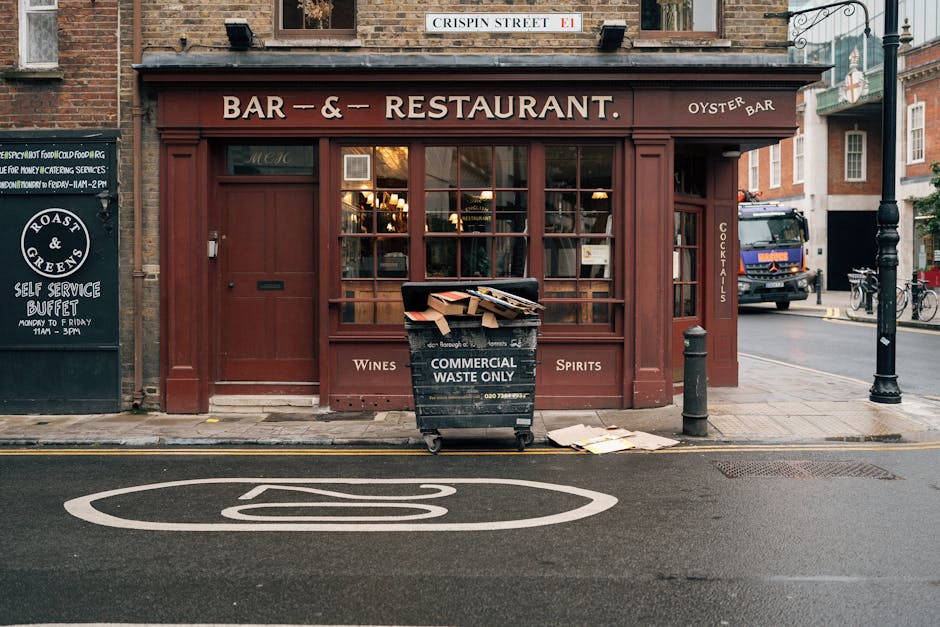
Common problems when booking bulky waste removal in East London

Booking bulky waste removal in East London sounds simple enough on paper: pick a date, list a few items, get them taken away. Then reality turns up. Stairs are tight, access is awkward, the sofa is bigger than you remembered, and suddenly the quote does not match what you expected. If you have ever tried to clear a flat in Whitechapel on a rainy Tuesday or shift a broken wardrobe from the top floor in Hackney, you will know the feeling.
This guide breaks down the common problems when booking bulky waste removal in East London, why they happen, how the process usually works, and what you can do to avoid the usual headaches. It is written to help you book with a bit more confidence, whether you are clearing one item or a whole roomful of heavy clutter.
Why Common problems when booking bulky waste removal in East London Matters
Bulky waste is not like a couple of black bags. A mattress, a wardrobe, a broken desk, a fridge, garden furniture, or several pieces from a furniture disposal job all bring their own complications. In East London, those complications are often multiplied by narrow streets, permit-sensitive parking, flats without lifts, and busy time windows. That is why booking problems matter: they affect cost, speed, access, and sometimes whether the collection happens at all.
Most people only think about the item itself. Fair enough. But a good bulky waste booking depends on three things working together: accurate item details, realistic access information, and a provider that understands local logistics. Miss one of those and the whole job can wobble. Sometimes only a little. Sometimes right off the rails.
There is also a trust angle here. Many customers are trying to compare general rubbish removal options with specialist bulky waste or one-off clearances. The terminology can blur together, and that is where confusion creeps in. What looks like a straightforward booking can become a delayed collection, a surprise surcharge, or a missed appointment. Not ideal when the front room already looks like a jumble sale after a storm.
Key takeaway: most bulky waste booking issues are preventable if the service, item list, and access details are nailed down early.
How Common problems when booking bulky waste removal in East London Works
At its simplest, the booking process usually follows a short chain: you describe the items, the provider reviews the job, a price or estimate is given, a collection time is set, and the waste is removed. Straightforward. In practice, the tricky part is the detail hidden inside that chain.
For example, "sofa" is not enough if the item is a three-seater with a separate chaise section and no lift access on the third floor. Likewise, "a few bits from the garage" can mean anything from old paint pots to a dismantled shelving unit. That is why many providers ask for photos. It is not nosiness; it is usually the fastest way to avoid a mismatch between expectation and reality.
Booking also depends on the type of waste. A sofa removal job is very different from a load of renovation offcuts, and those differences matter when planning labour, vehicle space, and disposal. If you are dealing with heavier mixed waste, a broader builders waste collection may be the better fit than a generic household pickup.
In East London, access is often the silent factor. A collection in Canary Wharf on a weekday can be affected by timing and loading arrangements. A flat clearance in Bow may involve stairs, parking pressure, and shared hallways. A garage clear-out in Walthamstow might be easy one day and awkward the next because the car is blocking the only usable route. Little things, but they matter.
Key Benefits and Practical Advantages
When the booking goes smoothly, bulky waste removal saves time, energy, and a fair amount of stress. That is the obvious benefit. But the practical upside goes a bit deeper than that.
- Less heavy lifting: you avoid injuring yourself or damaging walls, floors, or stair rails.
- Faster turnaround: a good service can clear awkward items in one visit.
- Cleaner spaces: ideal before moving house, renting out a flat, or starting refurbishment.
- Better planning: you know what is being removed, when, and how.
- Less disruption: especially useful for busy homes, offices, and shared buildings.
There is also the emotional relief factor, which people sometimes underestimate. A pile of old furniture in a hallway can quietly drain you. By the time the booking is sorted and the space is cleared, the place feels different. Quieter, somehow. More usable. It sounds a bit soft, but you notice it.
If you are arranging a larger clear-out, it can make sense to group jobs together. A home clearance can be more efficient than booking several separate collections, particularly when bulky items, light rubbish, and mixed household clutter are all involved. The same logic applies to house clearance after a move, a probate situation, or a long-overdue declutter.
Who This Is For and When It Makes Sense
This kind of booking is useful for a surprisingly wide mix of people. Homeowners, tenants, landlords, letting agents, property managers, small businesses, tradespeople, and anyone doing a proper clear-out can benefit from understanding the common pitfalls before they book.
It makes sense when the waste is too large, too heavy, or too awkward for ordinary bin collections. That includes broken wardrobes, old sofas, cabinets, mattresses, shelving, office chairs, exercise equipment, garden furniture, and mixed items from moving day. It also applies if you are clearing a flat with no lift, a garage packed from floor to ceiling, or an office that needs a fast reset after a refurbishment.
For tenants in places like Stratford or Leytonstone, the need is often simple: get everything out before checkout day and avoid deposit disputes. For landlords in Tower Hamlets or Hackney, the goal may be to turn a property around quickly between occupancies. For business owners, time is often the main issue. Nobody wants a reception area full of old chairs when clients are due in at nine.
And yes, sometimes people wait too long. A job that could have been booked calmly becomes urgent by Friday afternoon. That is when problems multiply. Space gets tighter, stress gets higher, and suddenly every item seems heavier than it really is. Funny how that happens.
Step-by-Step Guidance
If you want to reduce booking issues, follow a simple process. It is not glamorous, but it works.
- List every item clearly. Include type, quantity, and whether anything is broken down or still assembled.
- Take decent photos. Wide shots help, but close-ups of access issues are useful too.
- Check access honestly. Mention stairs, lifts, narrow corridors, parking distance, gated entry, or time restrictions.
- Separate special items. Mattresses, white goods, and mixed construction waste may be handled differently.
- Ask what is included. Find out if labour, loading, disposal, and parking issues are covered.
- Confirm the collection window. Morning, afternoon, or same-day? Be specific.
- Prepare the items before arrival. Clear doors, move smaller objects, and make the route easier.
- Get written confirmation. A message or email is enough to reduce misunderstandings.
One practical example: if you are booking a collection from a flat in Stepney, mention whether the sofa has to come through a tight stairwell or whether there is a lift that is, let's say, temperamental at best. That single detail can affect the vehicle size, manpower, and timing. It can also affect price. Better to say it now than argue about it later.
For commercial clear-outs, the same process applies but with extra care. An office in Canary Wharf may have building rules, loading bay limits, or timed access, while a small shop near Bethnal Green might need a very narrow window to avoid disrupting customers.
Expert Tips for Better Results
After seeing a lot of bookings go smoothly and a few go a bit sideways, a few patterns stand out.
Be specific about what is actually being removed
"Bulk waste" is a broad phrase. Use plain language instead. "One wardrobe, one mattress, two armchairs, and a dismantled desk" is much better than "some stuff." If there are mixed materials, say so. Wood, metal, glass, and electrical items can all change how the job is handled.
Think about the route out of the property
People often describe the item but forget the journey. Can the item turn at the landing? Is the hallway narrow? Is there a low ceiling in the basement? You do not need to over-explain everything, but the main obstacles should be mentioned. A five-second glance from the kerb can save fifteen minutes of awkward manoeuvring inside.
Do not assume every service means the same thing
Rubbish clearance, bulky waste collection, furniture disposal, and full property clearance overlap, but they are not always identical in scope. If your job includes both loose waste and large items, make sure the provider knows that upfront.
Build in a little breathing room
If the collection is tied to a move, handover, or building work, do not book it at the last possible minute. Everyone says they will be ready on time. Then the lift breaks, or the van cannot park, or the mattress is still jammed behind the door. It happens. Give yourself a small buffer. Life is kinder that way.
Ask about loading and labour
Some bookings look cheap because the quote assumes easy access. If the team has to carry items long distances or negotiate stairs, that may change the job. Transparency matters more than the lowest headline price.
For larger mixed-load jobs, waste clearance or waste removal can be more suitable than piecing together several small collections. It keeps the job cleaner, and frankly, simpler.
Common Mistakes to Avoid
This is where most booking problems begin. The good news? Most of them are avoidable.
- Underestimating the volume: what looks like two items can fill a van once it is moved out.
- Hiding awkward access: if the route is difficult, say so before the booking is confirmed.
- Forgetting special waste: fridges, mattresses, or trade waste may need different handling.
- Booking too late: especially risky before deadlines, move-out days, or busy weekends.
- Assuming everything is included: parking, waiting time, and extra labour may not be covered.
- Leaving items scattered: a messy load slows the team down and can cause confusion.
- Not checking the area rules: some East London streets are not forgiving when it comes to parking.
A common one, and this is very human, is assuming the provider will "just sort it out." Sometimes they can. Sometimes they cannot. If access is bad in lower Clapton or parking is tight in Limehouse, that detail should not be left to luck. It is better to have an awkward conversation before the appointment than a very awkward one on the pavement with a sofa halfway out the door.
Tools, Resources and Recommendations
You do not need fancy tools to book well. A phone, a few good photos, and a basic list of items will usually do most of the work. Still, a little preparation helps.
- Camera or phone photos: take pictures from a few angles so the item size and access are obvious.
- Simple inventory note: keep a quick list of what is going, what is staying, and what may need dismantling.
- Measuring tape: useful for doorways, stair turns, and larger furniture.
- Calendar reminder: helpful if the booking depends on move-out dates or building access windows.
- Labels or tape: mark items that must not be removed by mistake.
For mixed household projects, it can help to combine services logically. For example, a garage clear-out may work best with garage clearance, while a garden project may need garden clearance alongside bulky items like planters or old furniture. Office jobs are different again, and office clearance is usually the cleaner route if desks, chairs, filing units, and general waste are all part of the picture.
Where should you start if you are not sure? Honestly, start with the items. Then the access. Then the timing. That order saves a lot of back-and-forth.
Law, Compliance, Standards, or Best Practice
When bulky waste is collected, the waste should be handled and disposed of responsibly. In the UK, that generally means using a reputable provider that follows proper waste handling practices and does not cut corners. You do not need to become a compliance expert to book a collection, but you should be alert to obvious warning signs.
Good practice usually includes clear pricing, honest descriptions of what is included, and proper handling of items that cannot simply be dumped elsewhere. If a provider seems vague about what happens next, that is a red flag. Waste disposal is not the place for guesswork.
It is also worth checking whether the job involves materials that need extra care, such as electrical appliances, gas-related items, or mixed construction debris. The right approach depends on the waste type. For business-related loads, business waste services may be a better fit, while heavier renovation debris may belong under builders waste rather than household collection.
Best practice from a customer perspective is simple: be accurate, keep records of the booking, and make sure the service description matches the reality on site. If you are unsure, ask before the van arrives. A short question now beats a long argument later.
Options, Methods, or Comparison Table
There are a few different ways to deal with bulky items in East London. The right choice depends on how much you need removed, how quickly you need it gone, and how awkward the property is.
| Method | Best for | Pros | Watch out for |
|---|---|---|---|
| Bulky waste collection | One or a few large items | Quick, simple, often flexible | Access and item detail must be accurate |
| Furniture disposal | Sofas, wardrobes, beds, tables | Good for heavy household items | Mattresses and large pieces can change the quote |
| Rubbish removal | Mixed general waste | Handy for cluttered spaces | May not suit specialist items on its own |
| House or home clearance | Full room, flat, or property clear-outs | Efficient for larger jobs | Needs better planning and access details |
| Builders waste clearance | Renovation debris and trade waste | Better for construction-related loads | Not always appropriate for household-only items |
Here is the practical version: if you only need a couple of bulky items removed from a flat in Dalston, a targeted collection is likely fine. If you are clearing several rooms after a move, a broader clearance service may be less hassle overall. One van, one visit, fewer loose ends. That tends to be kinder on your day.
Case Study or Real-World Example
A typical booking might look like this. A tenant in a fourth-floor flat in Bow needs to remove an old sofa, a broken coffee table, and a wardrobe before checkout. The first attempt at a quote is off because the tenant only mentioned "two big items" and forgot the wardrobe is still assembled. They also forgot to mention there is no lift and the stairwell bends sharply halfway down.
Once the full details are given, the booking becomes more realistic. The provider can plan the manpower, allow more time, and avoid turning up with the wrong expectations. The collection still happens, but it is smoother and less tense. No drama. No last-minute scrambling through the hallway with a screwdriver and a slightly panicked look.
Another common scenario is a small business in Poplar clearing office desks after a layout change. The team thinks the job is "just a few desks," but there are also chair bases, monitor arms, old storage, and packaging. By grouping the items properly and booking clearance support that matches the real load, the business avoids repeated visits and keeps the workspace usable.
The lesson is simple: the booking improves the moment the information becomes accurate. That is usually the turning point.
Practical Checklist
Use this before you confirm the booking. It takes a few minutes and saves a lot of grief.
- List every bulky item clearly.
- Take at least two photos of the load and one of the access route if needed.
- Measure any tight doors, turns, or stair gaps.
- Confirm whether the items are still assembled or already dismantled.
- Tell the provider about lifts, stairs, parking distance, and entry restrictions.
- Check whether any item needs special handling.
- Ask what the quote includes and whether there are any likely extras.
- Make sure the collection window fits your schedule.
- Clear a path to the items before the team arrives.
- Keep written confirmation of the booking details.
If you can tick those off, you are already ahead of most people. Honestly, that is half the battle.
Conclusion
The common problems when booking bulky waste removal in East London usually come down to the same few things: unclear item details, awkward access, poor timing, and assumptions that never got checked. None of that is unusual. It is just the reality of working in a busy part of London where properties vary wildly, roads can be tight, and one small missing detail can change the whole plan.
The good news is that these problems are easy to reduce once you know what to look for. Be specific, be honest about access, allow a little extra time, and choose the right service for the job. That way, the collection feels less like a gamble and more like a proper plan.
Get a free quote today and see how much you can save.
If you are still weighing up your options, a little preparation now will make the whole thing calmer later. And calm is underrated, especially when a sofa is involved.
Frequently Asked Questions
What are the most common problems when booking bulky waste removal in East London?
The most common issues are inaccurate item descriptions, awkward access such as stairs or narrow hallways, parking problems, and last-minute timing issues. These usually cause quote changes or delays.
Why do bulky waste quotes change after booking?
Quotes often change when the actual load is bigger, heavier, or harder to remove than first described. Missing details about access or mixed waste can also affect the final price.
Do I need to send photos before booking bulky waste removal?
Photos are not always required, but they are very helpful. They reduce misunderstandings about item size, quantity, and access, which makes the quote more reliable.
Is bulky waste removal the same as rubbish removal?
Not always. Bulky waste removal focuses on large items such as sofas, wardrobes, and mattresses, while rubbish removal can cover mixed general waste. Some jobs need a combination of both.
What should I tell the provider before the collection?
Tell them what items need removing, whether they are dismantled, how many there are, and whether there are stairs, lifts, or parking restrictions. That information matters more than people think.
How can I avoid delays on collection day?
Prepare the items in advance, clear access routes, make sure someone is available if needed, and confirm the appointment details the day before if the booking is time-sensitive.
Can bulky waste be collected from flats without lifts?
Yes, but the provider needs to know in advance. No-lift access usually affects labour, timing, and sometimes price, especially in upper-floor flats.
What happens if I forget to mention an extra item?
It depends on the provider and the space available on the day. Sometimes it can be added, but it may change the cost or require a different booking. Best to mention everything early.
Is it better to book bulky waste removal or a full clearance?
If you only have a few large items, bulky waste removal may be enough. If you are clearing several rooms, a flat clearance, home clearance, or house clearance is often more efficient.
Are there any compliance issues I should worry about?
You mainly need to make sure the waste is handled responsibly and that the provider is clear about what they will take. If you have special items, ask how they are handled before booking.
How far in advance should I book bulky waste removal?
If the job is straightforward, a short lead time may be enough. For larger, time-sensitive, or access-heavy jobs, booking earlier gives you more flexibility and reduces stress.
What if my East London street has difficult parking?
Say so before the booking is confirmed. Parking is one of the most common reasons collections get complicated in areas with tight streets or loading restrictions, so honesty helps a lot.