Hackney council fines and rubbish fly tipping laws explained
If you have ever left a bag beside a full bin, arranged a quick clear-out, or wondered whether that sofa on the pavement could land you in trouble, you are not alone. Hackney council fines and rubbish fly tipping laws explained is exactly the kind of topic people search for when they want a straight answer without the legal waffle. The short version? Fly tipping is serious, councils can issue fines, and the safest route is to know what counts as illegal dumping, what Hackney can do about it, and how to avoid a costly mistake.
This guide breaks it down in plain English. We will look at how enforcement works, what penalties can follow, who is most at risk, and what practical steps help you stay on the right side of the rules. There is also a simple checklist, a comparison table, and a realistic example so you can see how this plays out in everyday life. Let's keep it useful, not gloomy.
Why Hackney council fines and rubbish fly tipping laws explained Matters
Fly tipping is not just an eyesore. In Hackney, like the rest of London, it creates a chain reaction: blocked pavements, rat attraction, a mess for neighbours, and extra costs for the council. Then someone has to clear it, investigate it, and decide who should pay. That is where fines, warnings, and enforcement action come in.
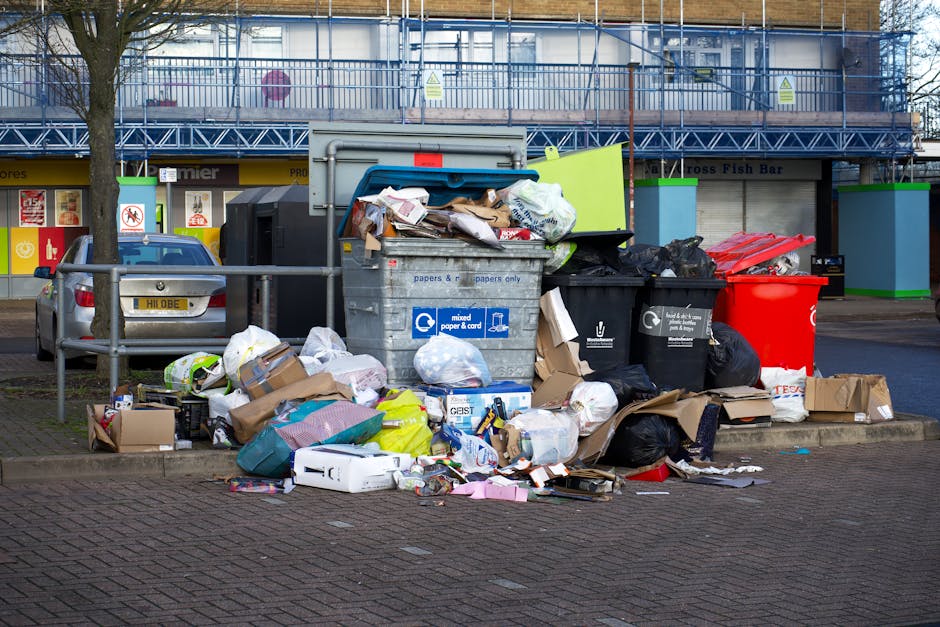
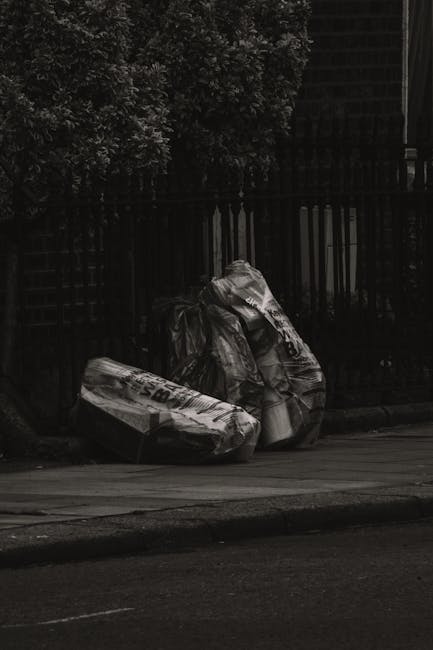
People often assume fly tipping means a huge pile dumped in a field somewhere. Not quite. It can be as small as a bin bag left on the street, a mattress abandoned by a hedge, or a pile of builders' waste left beside a communal bin store. The law looks at intent, responsibility, and whether waste was disposed of properly. In practice, this matters because a casual mistake can still become your problem if the waste is traced back to you.
To be fair, most people do not set out to break the rules. They are usually trying to clear a flat, move home, or get rid of something bulky at the end of the day. But councils do not always care whether the act was careless rather than deliberate. If waste is dumped illegally, the consequences can still be significant.
That is why understanding the rules is more than a dry legal exercise. It helps you protect your money, your reputation, and your peace of mind. It also helps if you are arranging a larger clearance, such as a house clearance, a flat clearance, or disposing of old items like a furniture disposal. The wrong approach can turn a routine job into a council enforcement headache very quickly.
How Hackney council fines and rubbish fly tipping laws explained Works
In simple terms, Hackney council can investigate rubbish left illegally and issue enforcement action if it believes someone is responsible. The process usually starts with a complaint, a patrol, CCTV evidence, or rubbish that contains information linking it to a person or address. Then officers assess what happened, where the waste was left, and whether it looks like careless disposal or deliberate dumping.
There are a few layers to this. The council may issue a fixed penalty notice, require the waste to be removed, or refer more serious cases for prosecution. The exact response depends on the circumstances. A small amount of rubbish left outside collection times may be treated differently from a van load dumped in a back lane. One is annoying. The other is a proper enforcement matter.
What catches people out is liability. If you give waste to an unlicensed person, or fail to check where it is going, you may still end up being investigated if that waste is dumped illegally. That surprises many homeowners and small businesses. The legal duty is not just "get rid of it somehow"; it is to transfer waste responsibly.
Think of it this way: if you hire someone to remove a sofa, old wardrobes, or renovation debris, you should be confident they handle the waste properly. If you are arranging a larger job, services like rubbish removal, rubbish collection, or builders waste collection are only useful if the waste ends up in a legitimate disposal route. The council does not accept "I thought they would deal with it" as a magic shield.
There is also a practical side to enforcement. Hackney has to prioritise what it can prove. A bag left by a bin on a busy morning may be harder to trace than paperwork found in a dumped mattress. That is why evidence matters, and why councils often advise residents to keep records, receipts, and contractor details. A little admin now can save a lot of stress later.
| Situation | Likely council view | Risk level |
|---|---|---|
| Waste left beside a full bin overnight | May be treated as littering or improper disposal, depending on facts | Medium |
| Household items dumped in an alley | Could be fly tipping if unlawfully deposited | High |
| Waste handed to an unlicensed collector | Possible liability if the waste is later dumped | High |
| Properly booked collection with records kept | Much easier to defend if questioned | Lower |
Key Benefits and Practical Advantages
The main benefit of understanding the rules is obvious: you reduce the chance of a fine. But there are several practical advantages that people often miss.
- Cleaner disposal decisions: You know when to use household disposal options and when to book a proper clearance.
- Less risk of shared liability: You are less likely to be caught up in someone else's mess if you choose reputable waste handling.
- Fewer delays: You avoid the awkward pause where waste sits outside because nobody is sure what to do with it next.
- Better budgeting: A lawful solution can often be cheaper than a fine plus emergency clean-up.
- Peace of mind: You can clear clutter without worrying that the council will come knocking later.
There is also a broader benefit for the area. Hackney's streets, estates, and shared spaces are heavily used. When waste is left out badly, it affects everyone nearby. A pile of broken furniture outside a block of flats does not just look untidy; it can cause access problems, bad smells, and fly-tipping hotspots that keep returning. Nobody wants that on their doorstep, especially on a wet Tuesday morning when the wind has turned everything into a mess.
If you are handling a bigger clear-out, using the right service matters. For example, someone clearing an office may need office clearance rather than ad hoc dumping, while a business should look at business waste arrangements that fit its legal duties. The principle is the same across most scenarios: dispose responsibly, keep proof, and avoid shortcuts.
Who This Is For and When It Makes Sense
This information is useful for quite a few people. If you live in Hackney, manage property, run a local business, or arrange transport for bulky items, the rules touch your day-to-day decisions more than you might think.
It makes sense for:
- Residents clearing out homes or flats who need to dispose of furniture, bagged rubbish, or loft clutter.
- Landlords and letting agents dealing with abandoned items after a tenancy ends.
- Small businesses producing office, shop, or stockroom waste.
- Tradespeople removing renovation debris, packaging, and materials.
- Anyone using a third-party collector and wanting to avoid accidental liability.
Hackney is busy, densely packed, and full of shared bins, communal entrances, and narrow streets. That means waste disputes happen more easily than people expect. One neighbour may think a bag is "fine there for a minute," while another sees a fly-tipping issue straight away. Context matters, but so does common sense.
For example, if you are clearing a garage after years of storing broken chairs, paint tins, and leftover boxes, it might be tempting to pile it all out front and hope for the best. Better to plan it properly. A garage clearance or home clearance service can remove the pressure, and it keeps you away from risky improvisation. Same idea for garden cuttings and soil after a weekend tidy-up; a garden clearance route is usually the cleaner fix.
Step-by-Step Guidance
If you want to stay safe and avoid fines, use a simple process. Nothing fancy. Just practical checks before the waste leaves your property.
- Identify the type of waste. Household rubbish, bulky furniture, construction debris, garden cuttings, and commercial waste should be treated differently.
- Decide whether it is household, business, or construction waste. This changes what handling route makes sense and what records you should keep.
- Choose a lawful disposal method. Use council guidance, a licensed collector, or an appropriate clearance service rather than leaving items out in hope.
- Keep records. Save receipts, messages, photos, and any details of the person or company taking the waste.
- Check how items are loaded and removed. If the van looks dodgy, the paperwork is missing, or the driver is vague, stop and think again.
- Remove waste quickly and completely. Half-finished jobs are where problems start. A bag or sofa left behind can become a complaint.
- Follow up if something feels off. If you later discover your waste was dumped, act quickly and document everything you know.
A lot of trouble starts with the "I'll sort it later" mindset. Honestly, that is where the trouble lives. One black bag turns into three, then a mattress, then a pile of old shelving. Before you know it, the front of the building looks like a storage yard. Not ideal.
If you are dealing with one-off items, a dedicated collection can be simpler than trying to do it yourself. For instance, sofa removal helps avoid the classic problem of trying to drag a bulky item down stairs and leaving it in the hallway "just for tonight."
Expert Tips for Better Results
After enough clearances, the same patterns keep showing up. A few good habits prevent most problems.
First, don't hand waste to the first cheap option that appears. A suspiciously low price can be a warning sign if the operator avoids questions, has no clear process, or cannot explain where the waste goes. Cheap is not always cheap, if you know what I mean.
Second, separate items before collection. Mixed waste is harder to manage and can cause delays. Keep reuse, recycling, and disposal items apart where possible. It makes loading faster and reduces confusion on the day.
Third, take a quick photo before collection. A phone picture of what was handed over can be very useful if anything goes missing or the waste later appears dumped. It takes 20 seconds. Worth it.
Fourth, be cautious with shared spaces. In blocks of flats and managed estates, one person's "temporary" placement can become everyone's problem. Communal bins are not a free-for-all, and the smell after a warm afternoon can be brutal.
Fifth, use a service that matches the job. A small bag collection is not the same as a full clearance. A builder's skip-worth of rubble is not the same as old bedroom furniture. Matching the method to the waste type is half the battle.
People often ask whether they can simply leave waste "neatly" beside a bin. The neatness helps nobody if it is still unlawful. That's the bit to remember. If it is not meant to be there, tidy placement does not magically make it okay.
Common Mistakes to Avoid
Most fly tipping cases do not begin with malicious intent. They begin with small errors and a bit of wishful thinking.
- Leaving waste outside too early: Bags placed out the night before collection can still be treated as improper disposal if that is not permitted.
- Using an unlicensed collector: This is one of the biggest risks. If they dump the waste, your details may still lead back to you.
- Assuming someone else will move it: "The neighbour said they'd deal with it" is not a defence.
- Mixing business waste with domestic rubbish: Commercial waste has its own handling expectations.
- Ignoring bulky waste rules: Mattresses, sofas, and cabinets are common problem items because people underestimate the effort involved.
- Not keeping proof: No receipt, no message trail, no photos? That makes it harder to show you acted responsibly.
Another common mistake is treating waste disposal as an afterthought during a move. You focus on keys, boxes, cleaners, and the van, and the old stuff gets shoved into a corner. Then that corner becomes the issue. A bit of planning saves all that.
If you have a lot to clear, a structured service such as waste removal or waste clearance is usually more sensible than trying to manage loose items one by one.
Tools, Resources and Recommendations
You do not need a pile of tools to handle this well, but a few basics help.
- Phone camera: Take before-and-after photos of what was collected.
- Text or email records: Keep the arrangement in writing whenever possible.
- Simple inventory list: Useful for larger clear-outs or mixed waste jobs.
- Proof of address or tenancy documents: Sometimes helpful if an issue needs to be explained later.
- Separate sacks or boxes: Keeps recyclable items and general rubbish organised.
For bigger household projects, services such as rubbish clearance and rubbish collection can reduce the temptation to dump items outside. That sounds obvious, but people often make worse decisions when they are tired, rushing, or dealing with tight stairwells and awkward furniture. Been there, seen that.
If the job involves a full property rather than one or two bags, a home clearance or house clearance can be a much neater answer. It is especially helpful where you are working around a move, probate, or a sudden change in circumstances and need things cleared without the drama.
Law, Compliance, Standards, or Best Practice
Without getting overly technical, the legal principle is straightforward: waste must be disposed of lawfully, and the person who creates or transfers the waste has a responsibility to make sure it is handled properly. Fly tipping is the unlawful deposit of waste, and councils can investigate, issue penalties, and pursue more serious cases through the courts.
Best practice in the UK usually means:
- using a lawful collection route
- checking the operator is credible and transparent
- keeping documentary proof of transfer or collection
- not placing waste in public places unless the collection rules clearly allow it
- separating household, garden, trade, and bulky items where practical
There is also a common-sense standard that matters even when people forget the legal bits. If a waste arrangement feels rushed, vague, or too casual, slow down. If a collector says "don't worry about paperwork" or "we just take it away," that should raise an eyebrow. Not panic, just caution.
For business owners, the expectations are stricter in practice because commercial waste needs reliable handling and records. If you are running a shop, office, or small workspace in Hackney or nearby, a proper business waste arrangement and, where relevant, office clearance help reduce your compliance risk. For heavier project waste, especially around refurbishment, builders waste is its own category and should be treated that way.
Options, Methods, or Comparison Table
People usually have three practical ways to deal with rubbish in Hackney: rely on scheduled collection, use a clearance service, or move waste themselves to a lawful disposal point. Each has pros and limits.
| Method | Best for | Strengths | Weaknesses |
|---|---|---|---|
| Council or scheduled collection | Regular household waste | Simple, familiar, predictable | Not suited to bulky or unusual waste |
| Professional clearance service | Bulky, mixed, or time-sensitive jobs | Fast, convenient, less lifting for you | Needs careful choice of operator |
| Self-transport to lawful disposal | Smaller loads when you have time and transport | Direct control over disposal | Can be awkward, messy, and time-consuming |
If the waste is heavy, awkward, or likely to trigger a complaint if left around, a service is often the better choice. A single trip in a hatchback with loose rubbish is usually where things go sideways. A cleared space and a proper receipt are far easier to live with than a "we'll sort it tomorrow" pile sitting by the kerb.
Case Study or Real-World Example
Imagine a small flat in Hackney being cleared after a move. There is an old wardrobe, a broken chair, three bin bags, and a pile of packaging. The residents are tired, the lift is out, and the street is busy. It would be easy to leave the items outside "just until morning." That is where trouble can start.
Instead, they book a collection, take a photo of what is being removed, and keep the confirmation message. The items are loaded the same day, and the hallway stays clear. Nothing glamorous about it. Just less stress.
Now compare that with a different scenario. Someone hires a cheap man-with-a-van who says he will "dispose of everything properly." There is no receipt, no paperwork, and no clear explanation of where the waste is going. A week later, fly-tipped rubbish is found nearby. The original customer may have a difficult time proving they acted responsibly. That's the bit people regret later.
This is why a reliable service matters. Even for straightforward jobs, whether it is sofa removal or a larger flat clearance, the process should feel clear from start to finish. If it feels vague, it probably is.
Practical Checklist
Use this quick checklist before any waste leaves your property.
- Have I identified what type of waste this is?
- Do I know whether it is household, business, garden, or builders waste?
- Have I chosen a lawful way to remove it?
- Do I have a receipt, message, or booking confirmation?
- Have I taken a quick photo of the items?
- Am I confident the collector or service is legitimate?
- Have I avoided leaving anything in a public area without permission?
- Have I separated bulky items, recyclables, and general rubbish where possible?
- Do I know who to contact if something goes wrong?
- Would I be comfortable explaining this arrangement to the council if asked?
If the answer to any of those is "not really," pause. Better to sort it now than explain it later.
Conclusion
Hackney council fines and rubbish fly tipping laws explained boils down to one clear message: do not treat waste as an afterthought. If rubbish is left unlawfully, even by mistake, the consequences can be frustrating and expensive. The safest path is straightforward-choose the right disposal method, keep proof, and avoid shortcuts that look convenient in the moment but messy later.
For householders, landlords, tradespeople, and business owners alike, the same principle applies. A proper clearance or collection keeps the street cleaner, reduces risk, and saves you from the kind of headache nobody wants on a busy week. That is especially true in Hackney, where space is tight and problems become visible fast.
If you are planning a clear-out and want to keep things simple, the best time to act is before the bags pile up by the door. A calm, lawful disposal plan is worth more than a rushed decision every single time.
Get a free quote today and see how much you can save.
Frequently Asked Questions
What counts as fly tipping in Hackney?
Fly tipping usually means leaving waste unlawfully in a place where it should not be. That can include bags, furniture, builders' debris, mattresses, or mixed rubbish left on streets, in alleys, or beside bins without permission.
Can Hackney council fine me for rubbish left outside my home?
Potentially, yes. If rubbish is left in a way that breaches local rules or amounts to unlawful disposal, the council may investigate and issue enforcement action. The exact response depends on the facts.
Am I responsible if a waste collector dumps my rubbish?
You may still face questions if you did not check who you hired or where the waste was going. That is why it is important to use a proper, transparent service and keep records.
Is leaving a bin bag next to a full bin fly tipping?
It can be, depending on the circumstances. If the bag is left unlawfully or outside the allowed collection process, it may be treated as improper disposal rather than a harmless overflow.
What should I do if I find fly tipped waste near my property?
Report it through the relevant local process and avoid moving or mixing it with your own rubbish until you know what should be done. If the waste looks dangerous, keep clear and be cautious.
Do business owners have different rules?
Yes, businesses are usually expected to manage commercial waste separately and more carefully. Records matter more, and the disposal route should match the type of waste being generated.
Can I put old furniture out on the pavement?
Not unless the collection arrangement clearly allows it. Bulky items like sofas and wardrobes are commonly mishandled, so it is safer to book a proper collection such as furniture disposal or sofa removal.
What evidence should I keep after a collection?
Keep booking messages, receipts, photos, and any details about who collected the waste. If there is a later dispute, those records can make a big difference.
How can I reduce the chance of being fined?
Use a lawful collection route, do not leave rubbish in public areas without permission, and avoid handing waste to anyone who cannot explain their process clearly. Simple, but effective.
What is the best option for a full property clear-out?
For a larger job, a house clearance, home clearance, or flat clearance is often the most practical route. It reduces the risk of waste being left around and keeps the process organised.
Are builders' materials treated differently from household rubbish?
Yes. Builders' waste needs careful handling because rubble, plasterboard, timber, packaging, and mixed debris can all require different disposal arrangements. A proper builders waste service is usually the better fit.
Where can I get help if I need waste taken away properly?
If the job is local and you need a straightforward, lawful removal, using a dedicated rubbish or waste service is usually the best next step. It keeps things simple and lowers the risk of a future problem.
For readers across the area, it often helps to match the solution to the property type and location. Whether you are in Hackney, Dalston, Homerton, or nearby streets with tight parking and shared access, a tidy plan saves time and stress. And honestly, that is the real win.